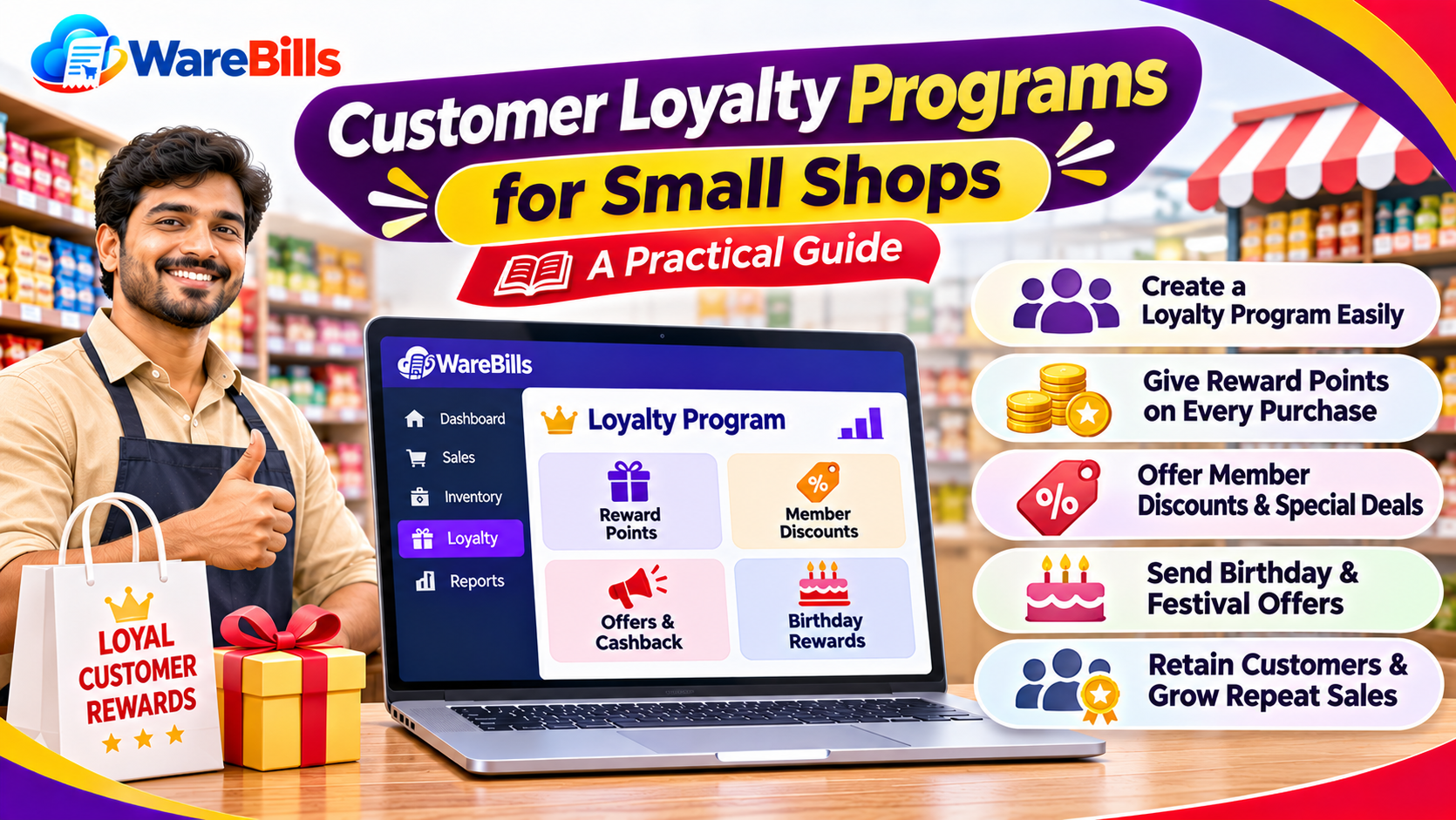
A customer loyalty program gives shoppers a reason to return by offering benefits such as reward points, discounts, special promotions or purchase-based rewards.
Small shops do not necessarily need an expensive or complicated system to get started. A simple, clearly explained program can help them recognise regular customers, encourage repeat purchases and understand which rewards customers value.
In this guide, we will explore practical customer loyalty program ideas, how to manage rewards and what small businesses should consider before launching a program.
1. What Is a Customer Loyalty Program?
A customer loyalty program is a system that rewards customers for making purchases or engaging with a business in specific ways.
For example, a grocery store might reward customers after they reach a particular spending threshold. A clothing shop might offer a discount after a customer completes several eligible purchases.
Common loyalty program formats include:
- Points-based programs: Customers earn points on eligible purchases and redeem them later.
- Purchase-based rewards: Customers receive a reward after completing a specified number of purchases.
- Tiered programs: Customers receive different benefits based on their qualifying purchase activity.
- Member-only offers: Registered customers receive selected promotions or early access to new collections.
- Referral rewards: Customers receive a benefit for referring a new customer, subject to clearly defined terms.
The best format depends on your product category, customer buying habits, operating costs and ability to track rewards accurately.
2. Why Customer Loyalty Matters for Small Shops
A well-designed loyalty program can support customer retention and provide useful insights into buying behaviour.
Encourage repeat purchases
Customers who understand the benefits of returning may be more likely to consider your shop for their next purchase.
Build stronger customer relationships
Recognising regular customers and offering relevant benefits can make the shopping experience feel more personal.
Promote selected products
A shop can use carefully planned rewards to introduce customers to eligible product categories or seasonal collections.
Understand customer preferences
Loyalty records may help a business identify which rewards are redeemed most often and which product categories attract repeat purchases, provided the information is collected and used appropriately.
However, a loyalty program cannot compensate for poor service, unreliable stock availability or uncompetitive pricing. The overall customer experience still matters.
3. Choose the Right Loyalty Program for Your Business
Different retail businesses have different purchasing patterns. Select a program that customers can understand and your staff can manage consistently.
These are examples, not guaranteed results. Check product-specific rules, margins and any industry restrictions before offering rewards.
For a small shop, start with one straightforward program rather than introducing several schemes at once.
4. Create a Simple Reward Points System
Points can make a loyalty program easy to explain, provided the earning and redemption rules are clear.
For example, a shop might award one point for every ₹100 spent on eligible purchases. Customers could redeem 10 points for a ₹50 discount on a qualifying future purchase.
These figures are illustrative only. Your shop should set its own reward value after reviewing margins, customer demand and operating costs.
Before launching a points program, define:
- Which purchases qualify for points
- Whether taxes, delivery charges or discounted items are excluded
- How points are calculated and rounded
- The minimum points required for redemption
- Whether points expire and, if so, how customers are informed
- How refunds, cancellations and returned products affect points
- Whether points can be combined with other offers
Display the rules clearly at the shop and communicate them to customers before they join.
5. Offer Rewards That Customers Actually Want
A reward does not always have to be a large discount. Useful benefits can encourage customers to participate without putting unnecessary pressure on profit margins.
Consider these options:
Discount on a future purchase: Encourage customers to return by offering a modest discount after a qualifying transaction.
Product bundles: Offer a special price on a relevant combination of products.
Member-only promotions: Share selected offers with loyalty members who have agreed to receive promotional communication.
Early access to new arrivals: Let interested customers know about new products before a wider promotion.
Milestone rewards: Recognise customers when they reach a clearly defined spending or purchase milestone.
Choose rewards that match your customers' interests and remain financially sustainable. Avoid offering a benefit that costs more than the additional business it is reasonably expected to generate.
6. Set Clear Rules to Prevent Confusion
A loyalty program can create disputes if customers and staff interpret the rules differently.
Write down the program terms before launching it. Include the earning rate, eligible purchases, redemption conditions, exclusions and any expiry dates.
Train staff to answer common questions, such as:
- How many points has the customer earned?
- How can points be redeemed?
- Can points be used on discounted items?
- What happens when a purchase is returned?
- Can a customer combine points with another offer?
Use consistent rules for every eligible customer. If you change the program, communicate the changes clearly and explain how existing points or rewards will be handled.
7. Track Loyalty Rewards Alongside Sales
Managing rewards manually can become difficult as the customer base grows. Missing entries, duplicate records and incorrect point balances can reduce customer trust.
Maintain accurate records of:
- Customer membership or identifier
- Eligible purchase amount
- Points earned
- Points redeemed
- Adjustments caused by returns or cancellations
- Current points balance
- Rewards issued and their redemption status
A spreadsheet may be enough for a very small program, but it requires disciplined updates and access controls. A suitable digital system can make recordkeeping easier when the number of customers and transactions increases.
If you use billing or inventory software, review whether its available features support the records you need. Do not assume that every billing system includes loyalty points or customer reward automation.
8. Use Sales Data to Improve Your Loyalty Program
Review the program regularly rather than assuming that every reward is effective.
Useful measurements include:
- Number of customers enrolled
- Percentage of enrolled customers who make another purchase
- Reward redemption rate
- Average purchase value for participating customers
- Cost of rewards issued and redeemed
- Customer complaints or questions about the program
- Repeat-purchase trends over time
For example, if customers rarely redeem a particular reward, the benefit may be unclear, difficult to reach or irrelevant to their needs.
Compare similar time periods and customer groups where possible. Consider seasonality, price changes and other promotions before attributing sales changes to the loyalty program.
Use the results to simplify rules, improve reward choices and control program costs.
9. Promote Your Loyalty Program to Customers
Even a useful program will have limited impact if customers do not know it exists.
Promote the program through appropriate customer touchpoints, such as:
- A small notice at the billing counter
- A short explanation from staff after a purchase
- A printed insert or information card
- Your shop's website or social media page
- Permission-based WhatsApp updates
Explain the main benefit in simple language. For example: “Join our rewards program and earn benefits on eligible future purchases. Ask us for the terms.”
Avoid promising guaranteed savings or rewards that depend on conditions customers have not been told about.
Collect only the customer information you need, explain how it will be used, and follow applicable privacy requirements. Obtain permission before sending promotional messages and respect opt-out requests.
10. How WareBills Can Fit Into Retail Operations
A loyalty program works best when its purchase records are accurate. Retailers need to understand eligible sales, returned products, discounts and the cost of rewards.
WareBills is a billing and inventory software option that businesses can evaluate for their daily billing and stock-mana1. What is the best customer loyalty program for a small shop?
The best program depends on the business and its customers. Simple purchase-based rewards, points or member-only offers can be suitable starting points if the rules are clear and the rewards are affordable.
2. How do loyalty points work in retail shops?
Customers earn points on eligible purchases according to the shop's rules. They can redeem accumulated points for specified benefits, such as a discount on a future purchase. The shop must define earning, redemption and adjustment rules clearly.
3. Do customer loyalty programs increase repeat purchases?
They can encourage repeat purchases by giving customers an additional reason to return. Results vary depending on the reward, customer experience, product demand and program design, so businesses should measure performance.
4. Can a small shop manage a loyalty program without software?
Yes. A small shop can begin with a carefully maintained spreadsheet or another simple recordkeeping method. As transactions grow, a suitable digital solution may help reduce manual errors and simplify reward tracking.
5. What should a shop consider before offering loyalty rewards?
Consider product margins, reward costs, customer preferences, eligible purchases, redemption rules, returns, recordkeeping and applicable requirements. Make all important terms clear before customers join.
6. Does billing software automatically include customer loyalty features?
No. Loyalty points, reward redemption and membership management depend on the software's specific capabilities. Confirm these features with the provider before choosing a solution.gement needs. Retailers should review its available features and determine whether they support the transaction records and reporting required for their loyalty program.
If you require automated points, reward redemption or loyalty membership management, confirm whether those specific capabilities are available before implementation. If they are not, you may need a separate loyalty solution or a clearly managed manual process.
The objective is to maintain reliable records without adding unnecessary complexity to everyday shop operations.
11. Common Customer Loyalty Program Mistakes
Small businesses should watch out for these common problems:
Making the program too complicated: Customers may lose interest if the earning and redemption rules are difficult to understand.
Offering rewards without checking profitability: A generous offer can reduce margins if the cost is not planned properly.
Keeping inaccurate records: Incorrect balances can create disputes and damage customer confidence.
Ignoring customer preferences: Rewards that do not match buying habits may go unused.
Changing terms without clear communication: Customers should be informed about important changes and how they affect existing benefits.
Collecting unnecessary personal data: Limit information collection and protect the details you retain.
Measuring only enrolments: The number of members does not prove that the program encourages repeat purchases. Track redemptions and repeat-purchase behaviour as well.
Conclusion
Customer loyalty programs can help small shops recognise regular customers, encourage repeat purchases and strengthen long-term relationships. A simple points system, purchase-based reward or relevant member offer may be a practical starting point.
Choose rewards that suit your customers and business margins, explain the rules clearly, maintain accurate records and measure results regularly. Improve the program based on customer feedback rather than adding complexity without a clear purpose.
For businesses reviewing their retail operations, WareBills can be evaluated for its available billing, inventory and reporting features alongside any separate tools required to manage customer loyalty rewards.